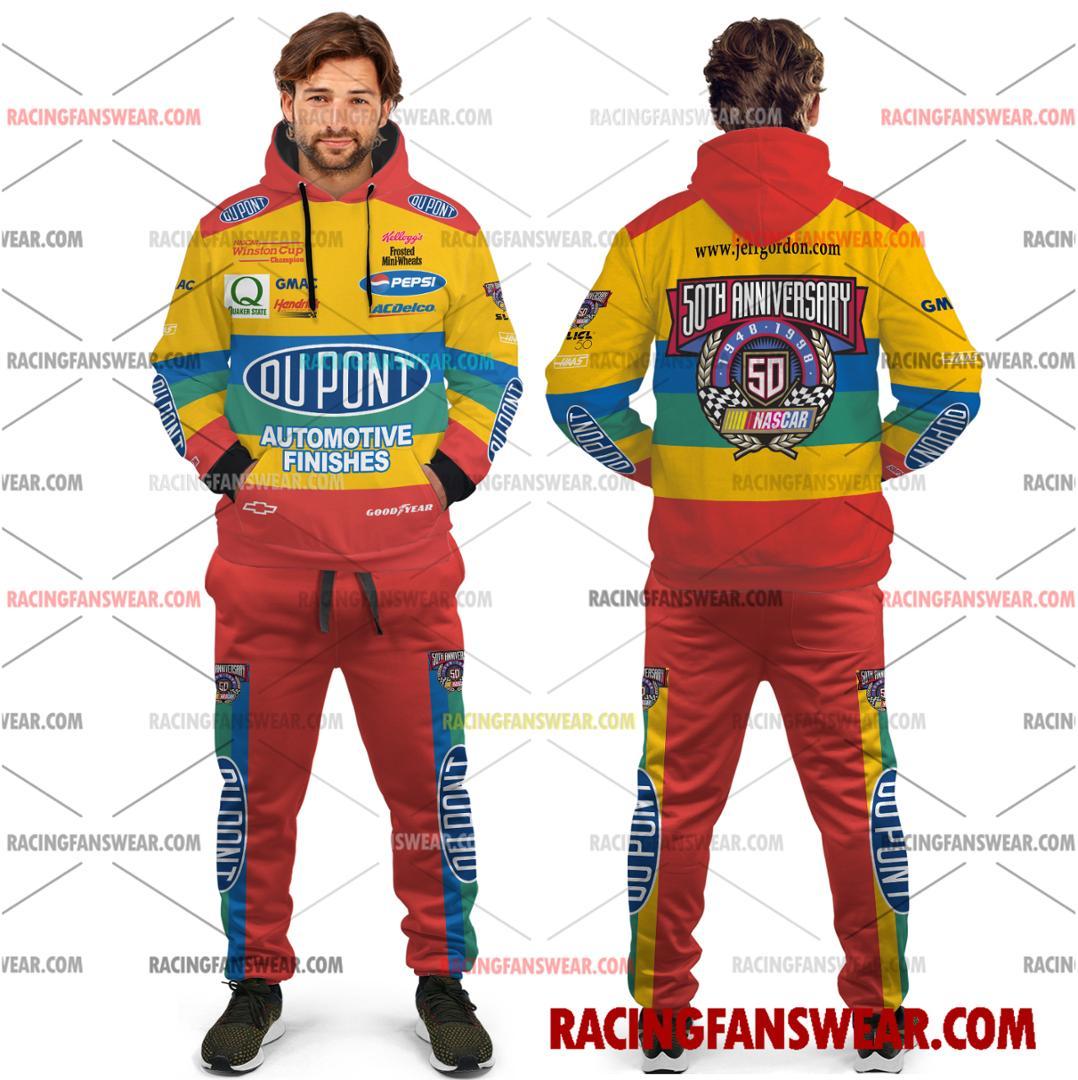
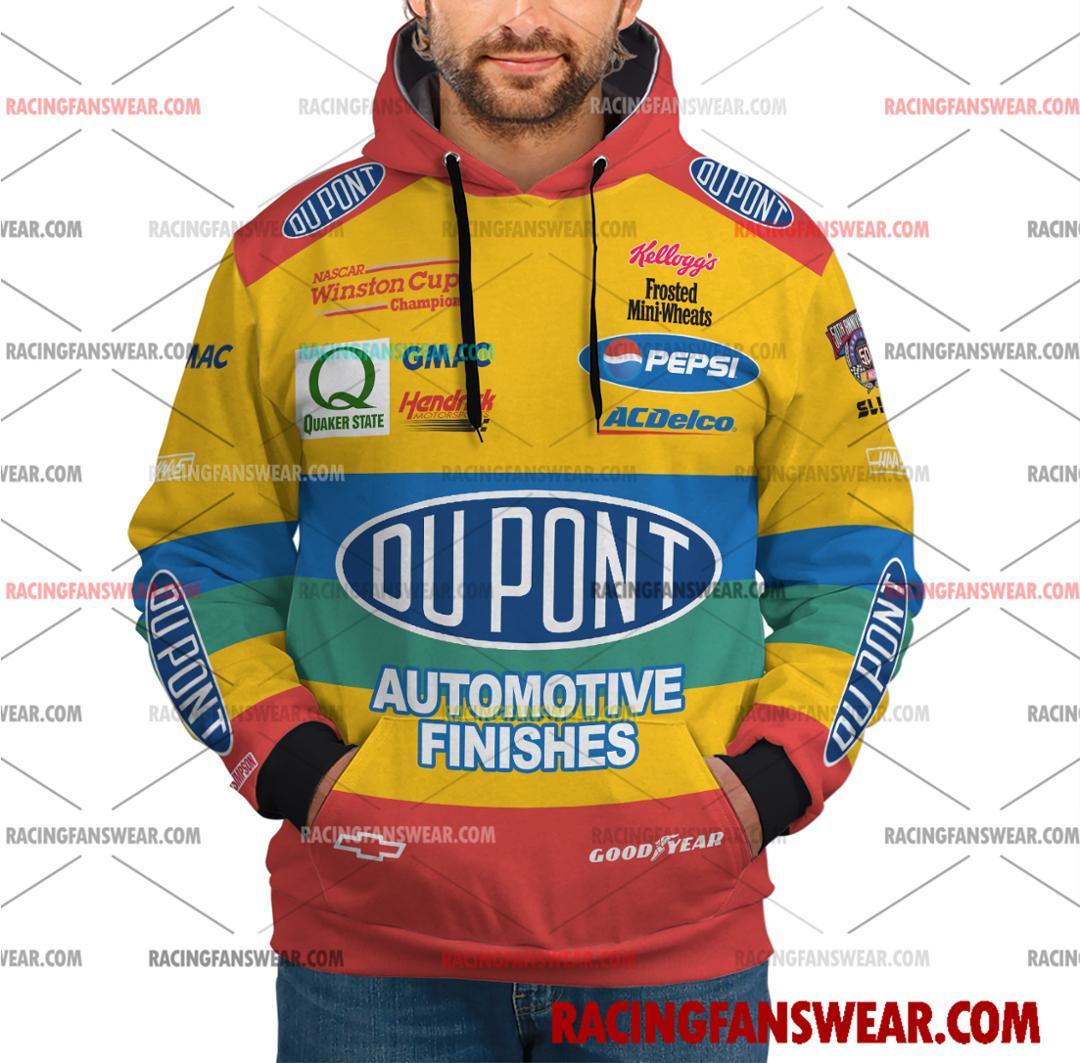
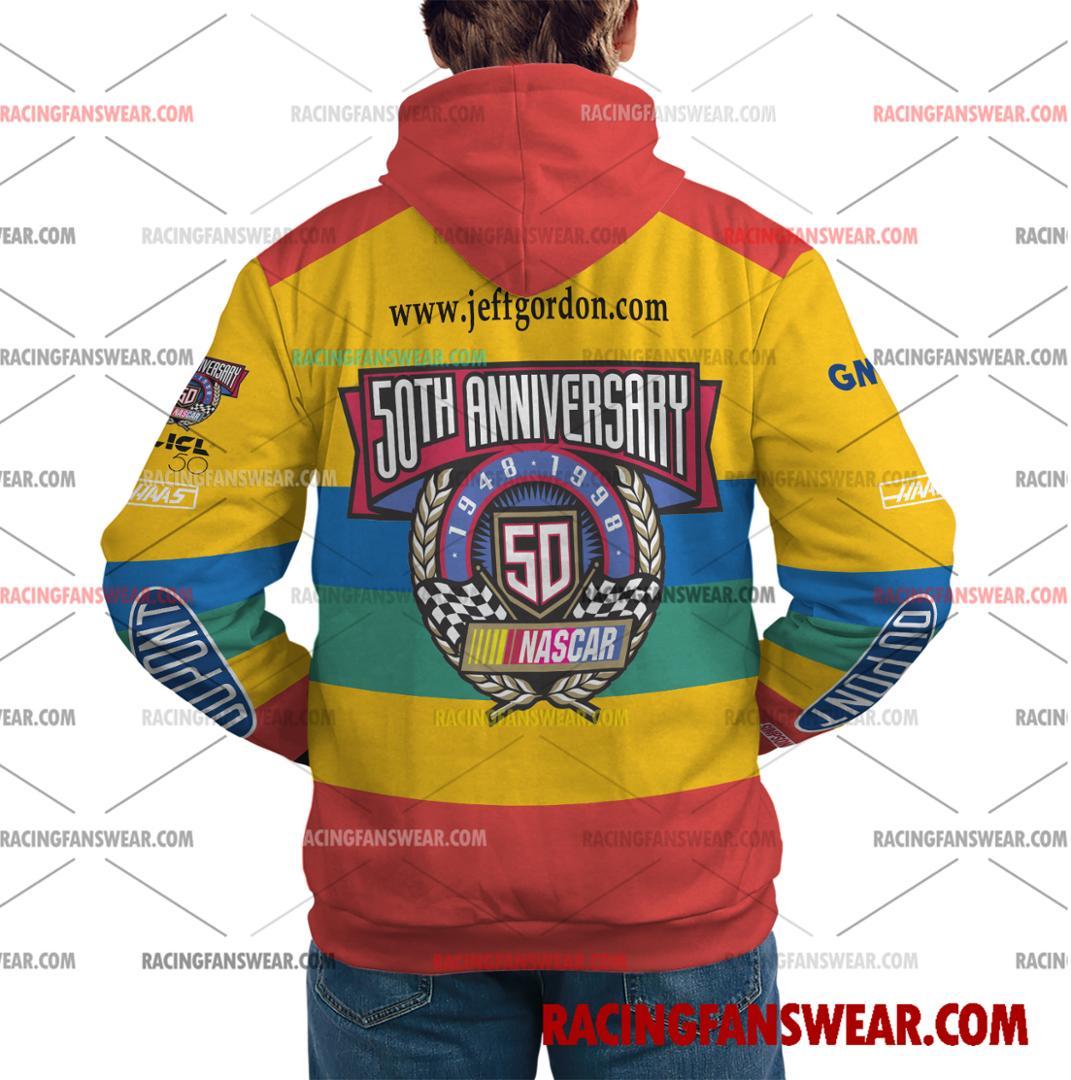
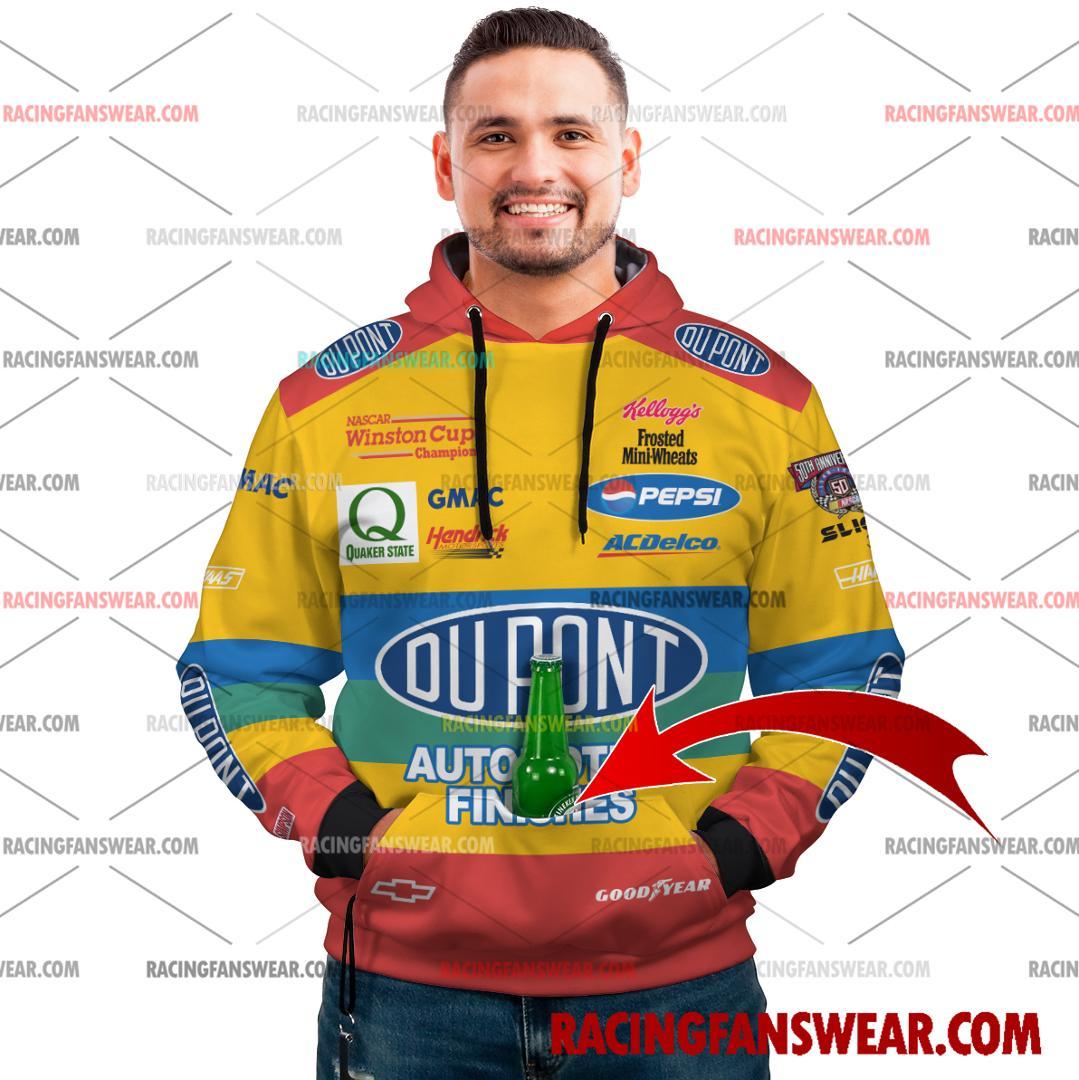
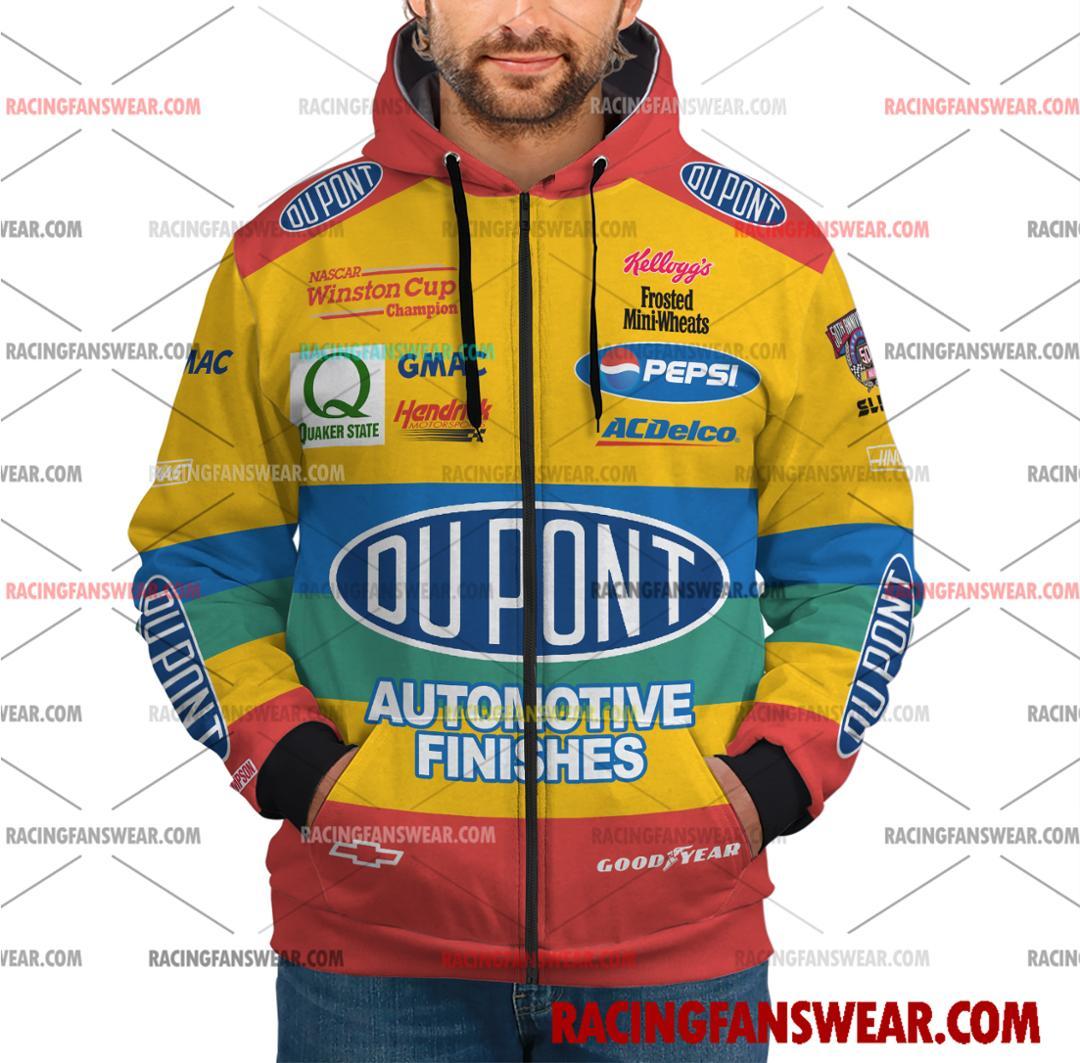
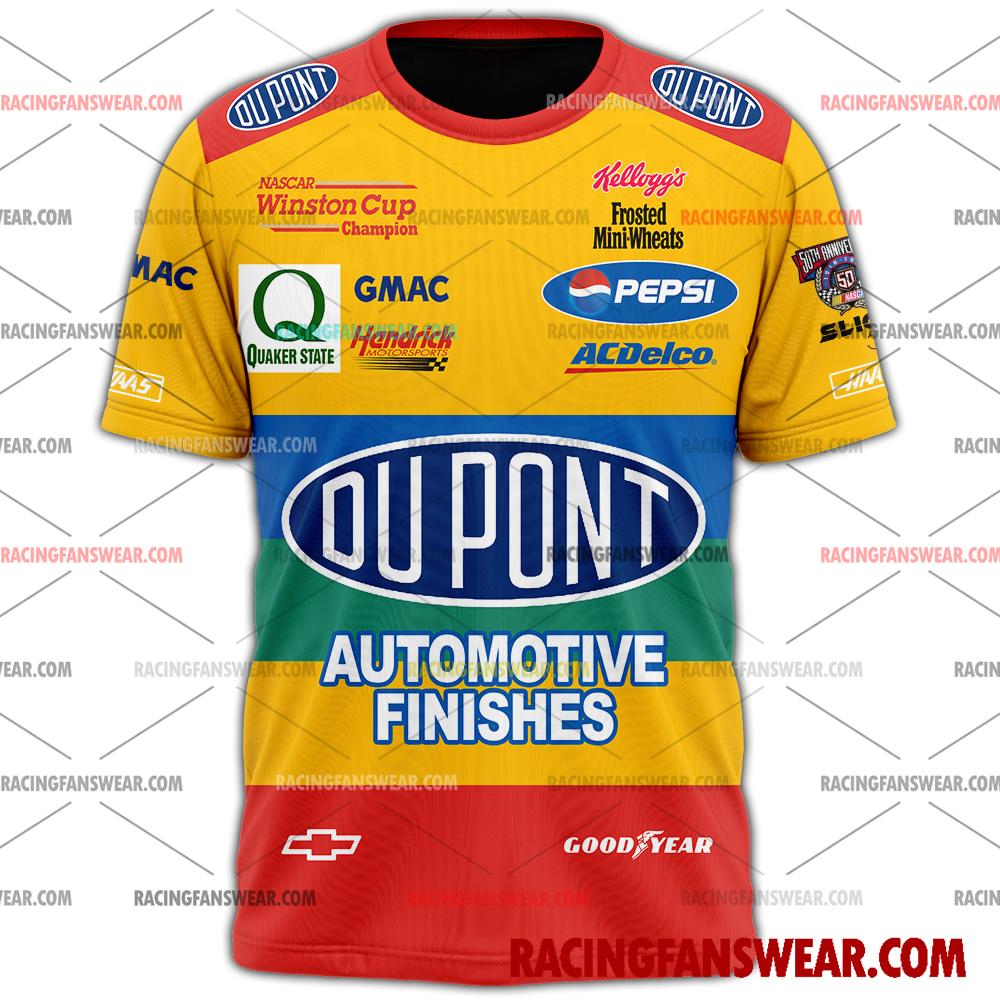
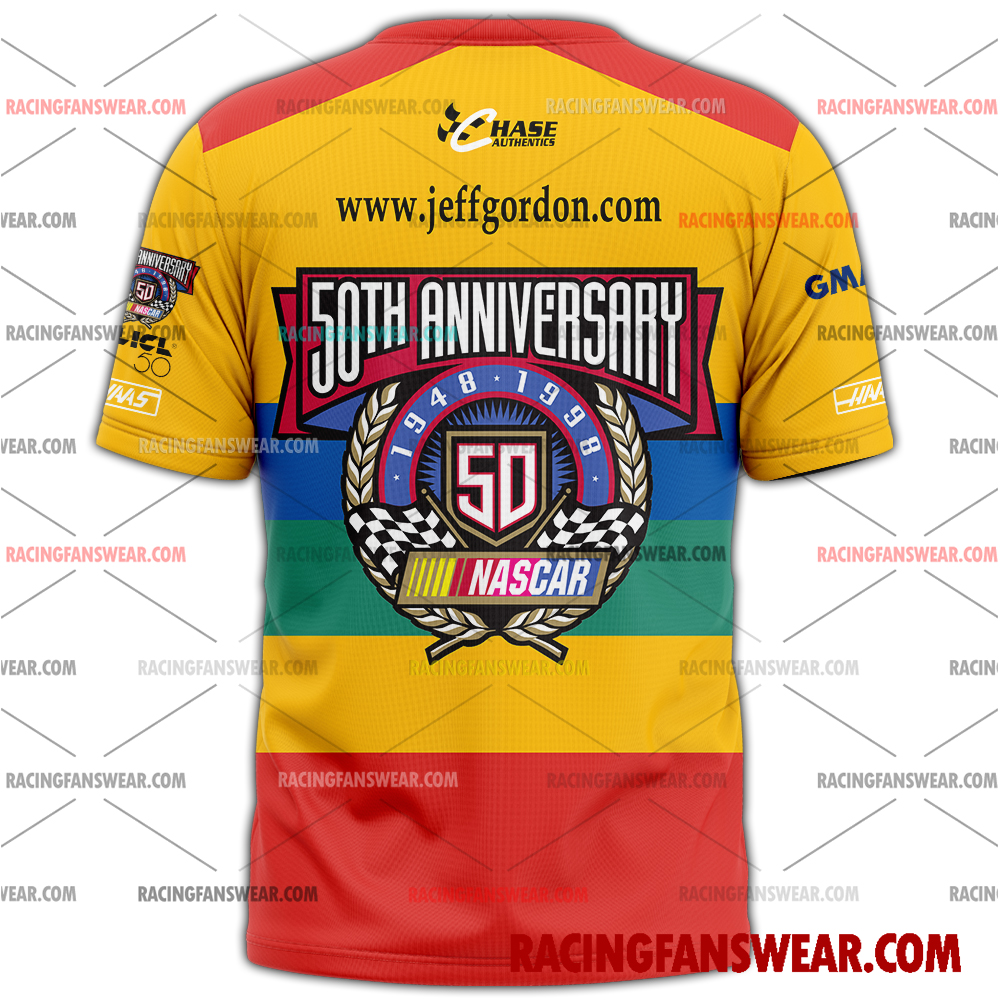
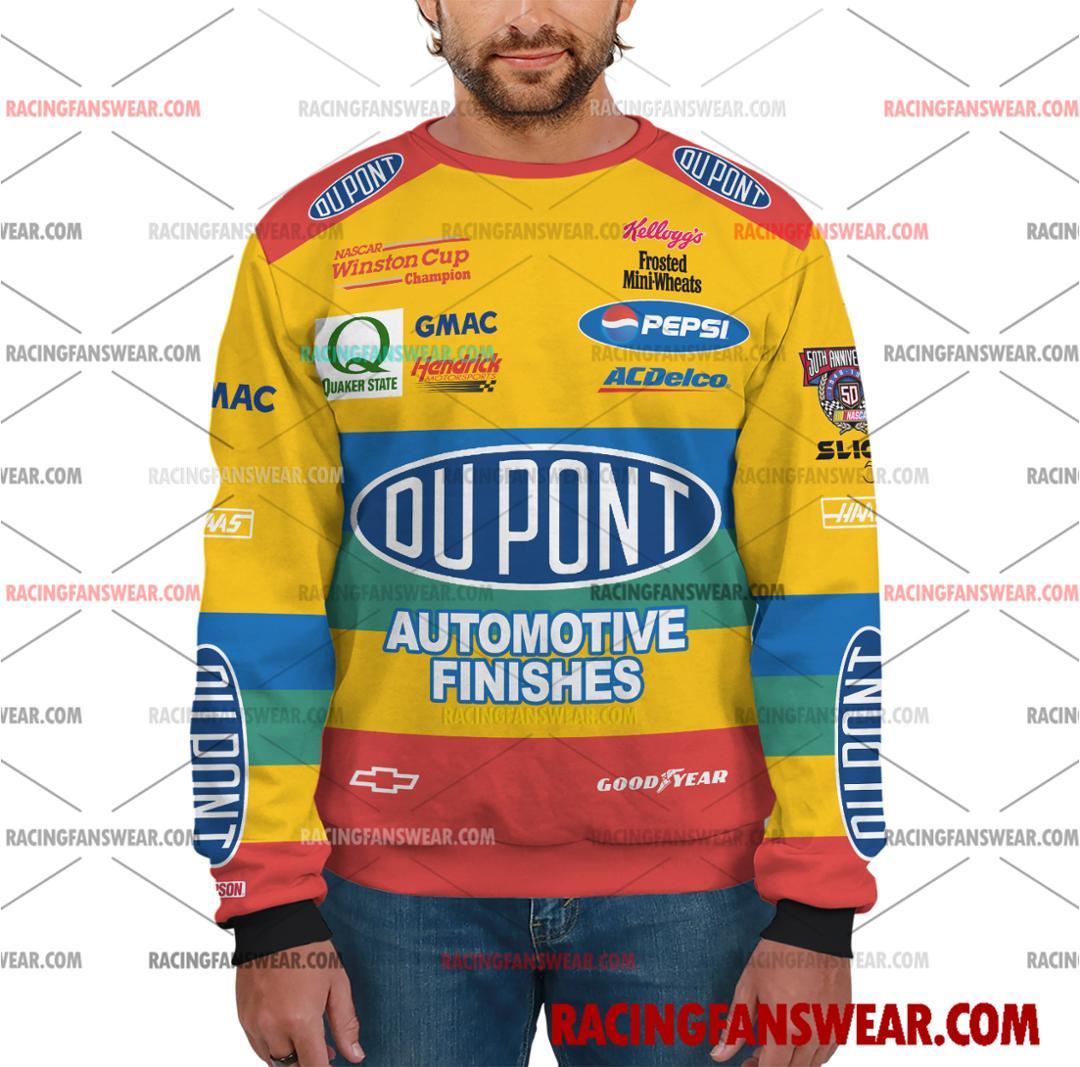
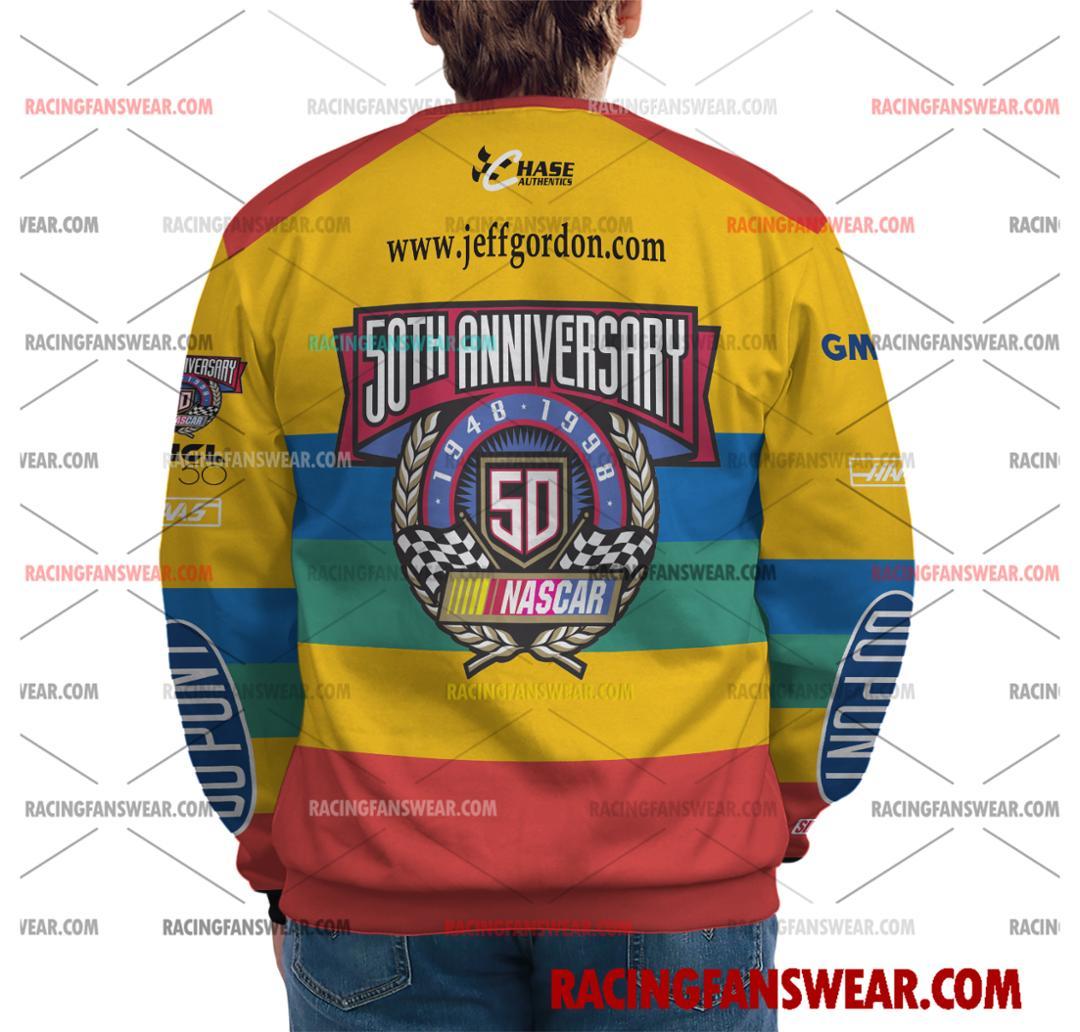
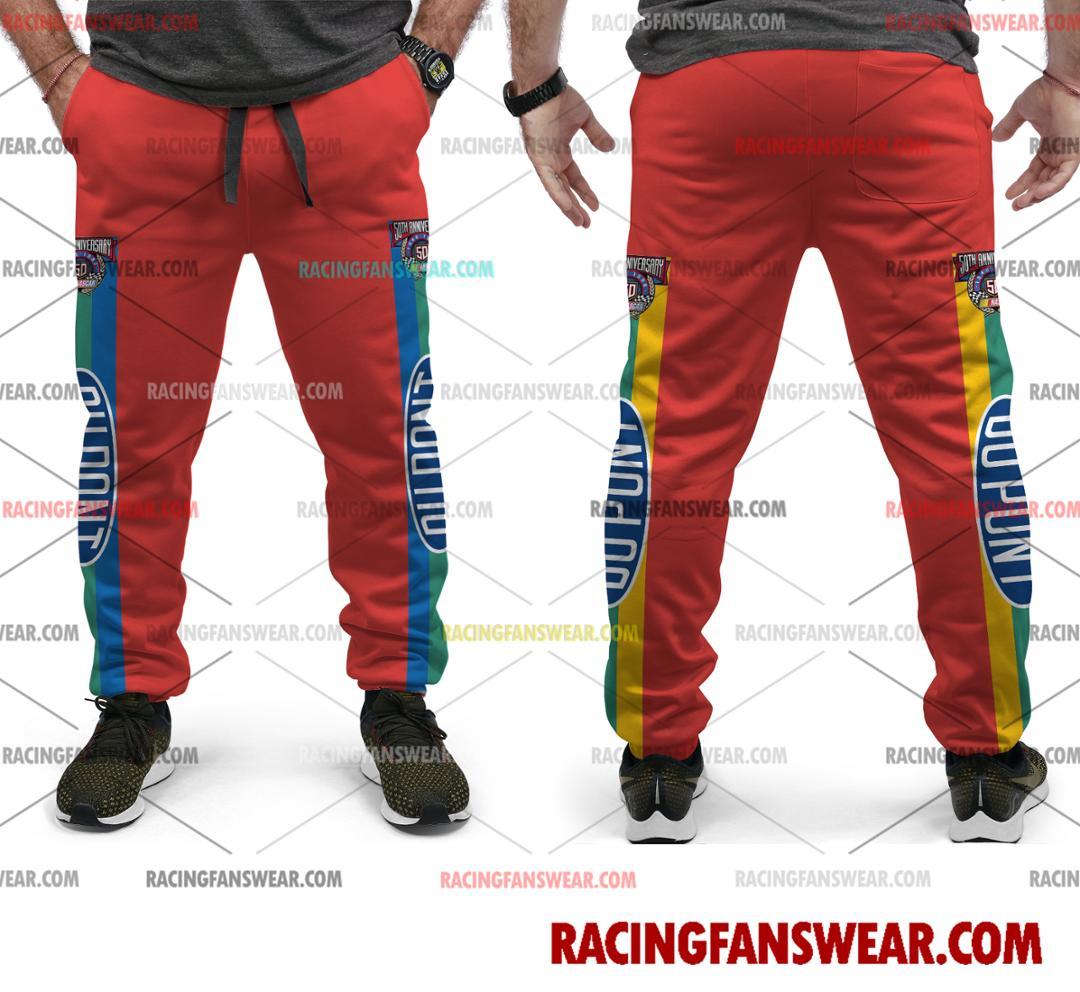
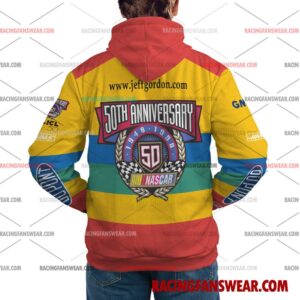
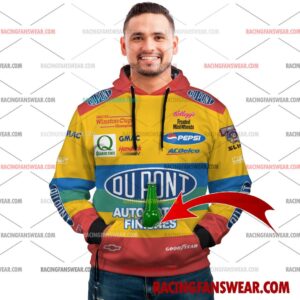
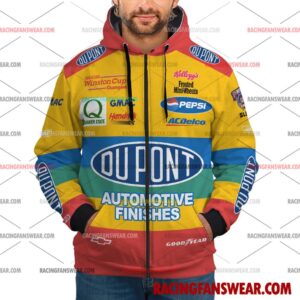
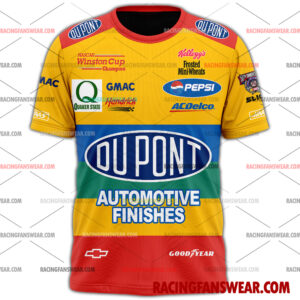
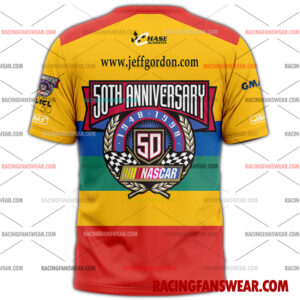
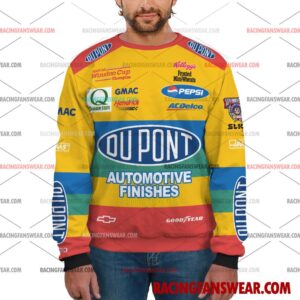
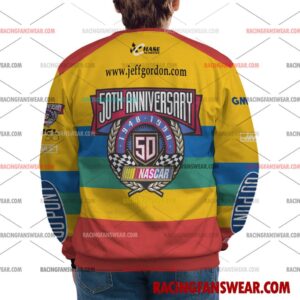
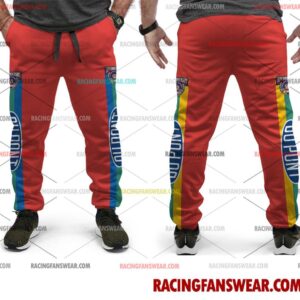
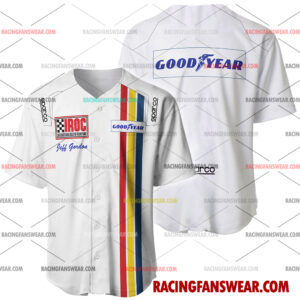
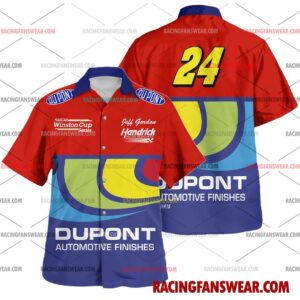
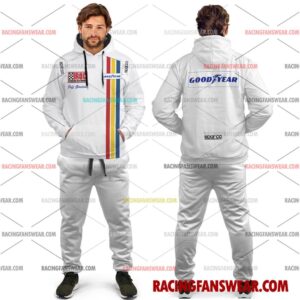
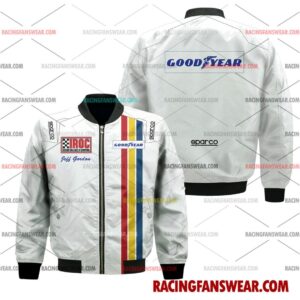
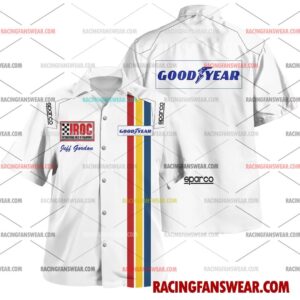
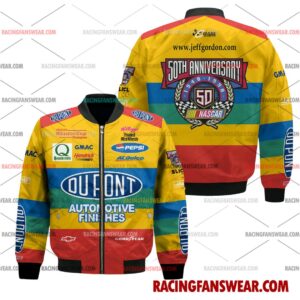
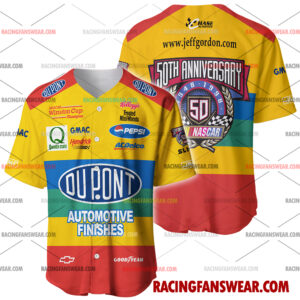
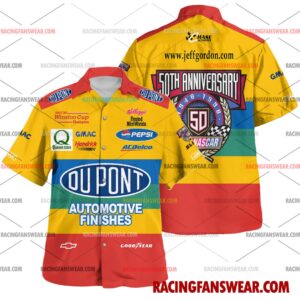
Product details:
Item Type: Hoodie, Zipper, T-Shirt, Long Sleeve, Short Pant, Long Pants, Polo shirt, Hawaiian shirt,…
Pattern Type: Full 3D Printing
Adult Size: S M L XL XXL 3XL 4XL 5XL 6XL
Kid Size: Toddler 2T, 3T, 4T, 4, 5 – Youth XS S M L XL
Material:
- Each all over printed shirt is constructed from a premium polyester blend that is ultra-soft and incredibly comfortable.
- Features a specialty high definition heat-dye application that ensures long-lasting color vibrancy even after machine washing.
- Fabric is durable and resistant to wrinkles, shrinking and mildew.
Gender: All
Tips:
1. Please allow 1-3cm(0.39-1.18inch) Error Because of manual measuring.
2. This product is High Elastic. Please delay on the Size Table to Determine The suitability of yours
Nascar store – Loyal fans of Jeff Gordon’s Unisex Hoodie,Unisex Pop Top Hoodie,Unisex Zip Hoodie,Unisex T-Shirt,Unisex Sweatshirt,Unisex Long Pants,Kid Hoodie,Kid Zip Hoodie,Kid T-Shirt,Kid Sweatshirt,Kid Long Pants:vintage nascar racing suit,uniform,apparel,shirts,merch,merchandise,jersey,hoodie,jackets,shorts,sweatshirt,outfits,clothes
Jeff Gordon: The Complete Biography of a NASCAR Legend
Jeff Gordon is widely regarded as one of the most influential and accomplished drivers in NASCAR history. His story is more than a collection of race wins and championships—it is a tale of determination, innovation, and a relentless pursuit of excellence. Gordon’s life and career helped usher in a new era of NASCAR, transforming the sport from a regional pastime into a national phenomenon. His iconic No. 24 car, brightly colored racing Uniform, and distinctive flame-resistant Suit became symbolic of modern NASCAR. Fans wore his merchandise everywhere—Jackets, Hoodies, Sweatshirts, T-Shirts, Baseball caps, and even custom Hockey Jerseys—solidifying his presence in popular culture.
Early Life: The Making of a Racing Prodigy
Jeffery Michael Gordon was born on August 4, 1971, in Vallejo, California. Raised by his mother, Carol, and his stepfather, John Bickford, Jeff displayed an incredible competitive spirit from an early age. While other children spent their time playing backyard games or local Baseball, Jeff was fascinated by speed. At the age of four, he climbed into a quarter-midget car for the first time, and it quickly became apparent that this would not be a casual hobby.
Jeff’s early racing required discipline, safety, and commitment. Even at a young age, he wore small protective race gear—early precursors to the professional racing Uniform he would later become famous for. By the age of six, Jeff was already winning races on local circuits. His family traveled from track to track, often wearing team-branded Jackets and T-Shirts to support their young driver. His natural talent drew attention, but it was his commitment to learning—from engine tuning to driving technique—that set him apart.
Jeff won more than 35 feature races and set multiple track records before turning ten. His family realized that California’s racing scene was limited if they wanted Jeff to compete at the highest youth levels. So in 1986, they made a crucial decision: they moved to Indiana, the epicenter of American short-track and open-wheel racing.
Indiana: The Pathway to Professional Racing
Indiana’s rich motorsport culture offered Gordon new opportunities to compete against elite talent. He transitioned into sprint cars and midget racing, competing on challenging dirt tracks that demanded precision and fearlessness. During these years, Jeff often raced in colder climates, which meant spending late evenings in a racing Jacket or heavy team Sweatshirt, waiting for his next heat on the clay ovals of the Midwest.
At age 16, he became the youngest driver ever to earn a USAC license. He quickly made a name for himself with bold, clean, and calculated driving—traits that would define his NASCAR career. Between 1988 and 1990, Gordon captured the USAC National Midget championship and the USAC Silver Crown Series title. His success in open-wheel racing turned heads, but he soon realized that opportunities in IndyCar and other open-wheel series were limited financially.
Instead, stock car racing—specifically NASCAR—offered stability and broader exposure. Gordon and his stepfather began evaluating NASCAR’s Busch Series (now Xfinity Series), realizing it was the best route to professional stardom.
Transition to NASCAR
Jeff debuted in the Busch Series in 1990 with Bill Davis Racing. Though still a teenager, he demonstrated immense potential. His smooth driving style and impressive car control led to quick improvement. During these years, fans began to recognize Gordon in the garage area—always wearing his team-branded Hoodie or lightweight racing Jacket, looking calm but intensely focused.
Jeff’s breakout moment came during a test session at Charlotte Motor Speedway in 1992. Rick Hendrick, owner of Hendrick Motorsports, happened to watch Gordon run laps. Within minutes, Hendrick knew he had discovered a future superstar. Later that year, Jeff Gordon signed with Hendrick Motorsports to drive the No. 24 Chevrolet in the NASCAR Cup Series.
The 1992 Cup Series Debut
Gordon made his Cup Series debut at the 1992 Atlanta race—the same race in which Richard Petty retired and a young Jeff Gordon positioned himself as NASCAR’s future. His brightly colored racing Suit and fresh-faced appearance stood in stark contrast to the older generation of drivers, signaling a shift in the sport’s identity.
The Rainbow Warrior Era Begins
In 1994, Gordon claimed his first NASCAR Cup Series victory at the Coca-Cola 600 in Charlotte. That same year, fans became mesmerized by the No. 24 “Rainbow Warrior” car—painted in vibrant colors that stood out from the predominantly dark and traditional NASCAR paint schemes. The rainbow Uniform became iconic, instantly recognizable from grandstands and television screens.
Merchandise sales soared. Fans bought No. 24 Jackets, Hoodies, Sweatshirts, T-Shirts, and even novelty Hockey Jerseys, helping Gordon become one of NASCAR’s top commercial stars. He brought in younger fans, families, and new demographics that previously had little connection to stock car racing.
First Championship: 1995
Gordon won his first NASCAR Cup Series championship in 1995 at age 24, becoming the second-youngest champion in history. His speed, maturity, and strategic brilliance stunned long-time competitors. That year marked the beginning of a dominant stretch rarely seen in the modern era.
1997 and 1998: Back-to-Back Brilliance
Jeff Gordon’s 1997 season was spectacular, but 1998 was revolutionary. He won 13 races—one of the greatest single-season performances ever recorded. Gordon’s relationship with crew chief Ray Evernham created unmatched chemistry. Their teamwork, innovation, and adaptability helped revolutionize NASCAR strategy.
During this period, the No. 24 team became known for quick pit stops, aerodynamic tuning, and groundbreaking chassis adjustments. Meanwhile, fans across America proudly wore Gordon-themed T-Shirts and collectible racing Jackets, showing support for their favorite driver wherever they went.
The Rivalry with Dale Earnhardt Sr.
One of NASCAR’s most historic rivalries formed in the mid-1990s between Jeff Gordon and seven-time champion Dale Earnhardt Sr. The two drivers represented very different generations: Earnhardt was the rugged “Intimidator,” while Gordon was the polished superstar attracting new fans.
The rivalry boosted NASCAR’s popularity considerably. Every time Gordon’s colorful Suit appeared beside Earnhardt’s black No. 3, fans erupted. Their on-track battles remain some of the most memorable in racing history.
Daytona 500 Victories
Jeff Gordon captured the Daytona 500 in 1997, 1999, and 2005. His aggressive yet calculated style on superspeedways made him one of the best restrictor-plate racers ever. These wins elevated his legacy and expanded his fan base further.
2001: A Pivotal Year for NASCAR
The tragic death of Dale Earnhardt Sr. in the 2001 Daytona 500 shook the racing world. Gordon, who finished third that day, became a vocal advocate for enhanced safety measures—improved head restraints, redesigned seats, stronger barriers, and better fire-resistant materials for the racing Suit.
His leadership helped usher in several significant safety innovations that remain standard today.
Continued Dominance Through the 2000s
Throughout the 2000s, Gordon remained a consistent contender. He added dozens of race wins, contended for multiple championships, and continued to draw large crowds. Fans routinely arrived at tracks wearing No. 24 Hoodies, Sweatshirts, and Baseball caps, helping maintain his status as one of NASCAR’s top merchandise sellers.
2015: Final Full-Time Season
In 2015, Jeff Gordon completed his final full-time NASCAR season. His farewell tour brought emotional tributes from fans, fellow drivers, and teams across the country. His last win came at Martinsville Speedway—one of the sport’s oldest and most respected venues. As he climbed from his car, wearing the flame-emblazoned Suit fans had come to love, the crowd erupted in appreciation.
Broadcasting and Hendrick Motorsports Leadership
After retirement, Gordon transitioned into broadcasting with FOX Sports. His analytical skills, calm demeanor, and deep understanding of racing made him a fan favorite. Later, he became Vice Chairman of Hendrick Motorsports, helping guide the next generation of drivers, including Chase Elliott and William Byron.
Legacy: One of the Greatest of All Time
Jeff Gordon’s legacy goes far beyond numbers—though his statistics are extraordinary:
- 4 NASCAR Cup Series Championships (1995, 1997, 1998, 2001)
- 93 Cup Series Wins (third all time)
- 3 Daytona 500 victories
- Over 475 top-10 finishes
He changed NASCAR’s image, making it appealing to modern audiences. His flamboyant racing Uniform, colorful Suit, and high-energy persona made him a household name. Even today, fans proudly wear No. 24 T-Shirts, collector Jackets, and throwback Hockey Jerseys honoring his iconic career.
Conclusion
Jeff Gordon’s journey from a young boy racing quarter midgets in California to one of NASCAR’s biggest icons is a story of passion, resilience, and evolution. His career helped reshape the sport, attract new fans, and elevate safety standards. His influence extends far beyond the racetrack—through business, broadcasting, philanthropy, and leadership at Hendrick Motorsports.
Today, Gordon is remembered not only for his championships but for the excitement, innovation, and cultural impact he brought to NASCAR. His legacy continues to inspire both new fans and future drivers who dream of wearing their own racing Uniform and stepping into a professional Suit just as Gordon once did.


Men's Shoes Size Chart

Reviews
There are no reviews yet